%2Ffit-in%2F250x250%2Fguide_websites%2F6758%2Fimages%2Fnelogo.jpg&w=1920&q=100)
/users/3db4296c-5fec-4c08-9688-df0d817c320d/ratecard/585352697_1281726780638157_7633271975906100299_n-mkvy9gqt.jpg)
%2F300x300%2Fusers%2F3db4296c-5fec-4c08-9688-df0d817c320d%2Fratecard%2F585352697_1281726780638157_7633271975906100299_n-mkvy9gqt.jpg&w=256&q=75)
%2F300x300%2Fusers%2F3db4296c-5fec-4c08-9688-df0d817c320d%2Fimages%2Fguadalupe-bass-gainesville-2764.jpg&w=256&q=75)
%2F300x300%2Fusers%2F3db4296c-5fec-4c08-9688-df0d817c320d%2Fimages%2Fstriped-bass-georgia-fishing-2742.jpg&w=256&q=75)
%2F300x300%2Fusers%2F3db4296c-5fec-4c08-9688-df0d817c320d%2Fimages%2Fstriped-bass-georgia-fishing-2690.jpg&w=256&q=75)
%2F300x300%2Fusers%2F3db4296c-5fec-4c08-9688-df0d817c320d%2Fimages%2Fstriped-bass-fishing-ga-2845.jpg&w=256&q=75)
%2F300x300%2Fusers%2F3db4296c-5fec-4c08-9688-df0d817c320d%2Fimages%2Fstriped-bass-fishing-georgia-2847.jpg&w=256&q=75)
%2F300x300%2Fusers%2F3db4296c-5fec-4c08-9688-df0d817c320d%2Fimages%2Fstriped-bass-georgia-fishing-2829.jpg&w=256&q=75)
%2F300x300%2Fusers%2F3db4296c-5fec-4c08-9688-df0d817c320d%2Fimages%2Fgainesville-striped-bass-catch-2722.jpg&w=256&q=75)
%2F300x300%2Fusers%2F3db4296c-5fec-4c08-9688-df0d817c320d%2Fimages%2Fgainesville-guadalupe-bass-catch-2816.jpg&w=256&q=75)
%2F300x300%2Fusers%2F3db4296c-5fec-4c08-9688-df0d817c320d%2Fimages%2Fstriped-bass-georgia-2832.jpg&w=256&q=75)
%2F300x300%2Fusers%2F3db4296c-5fec-4c08-9688-df0d817c320d%2Fimages%2Fstriped-bass-gainesville-2780.jpg&w=256&q=75)
Private Half Day Striper Lake Lanier Captain Brad
 Lake Lanier
What you will be catching:
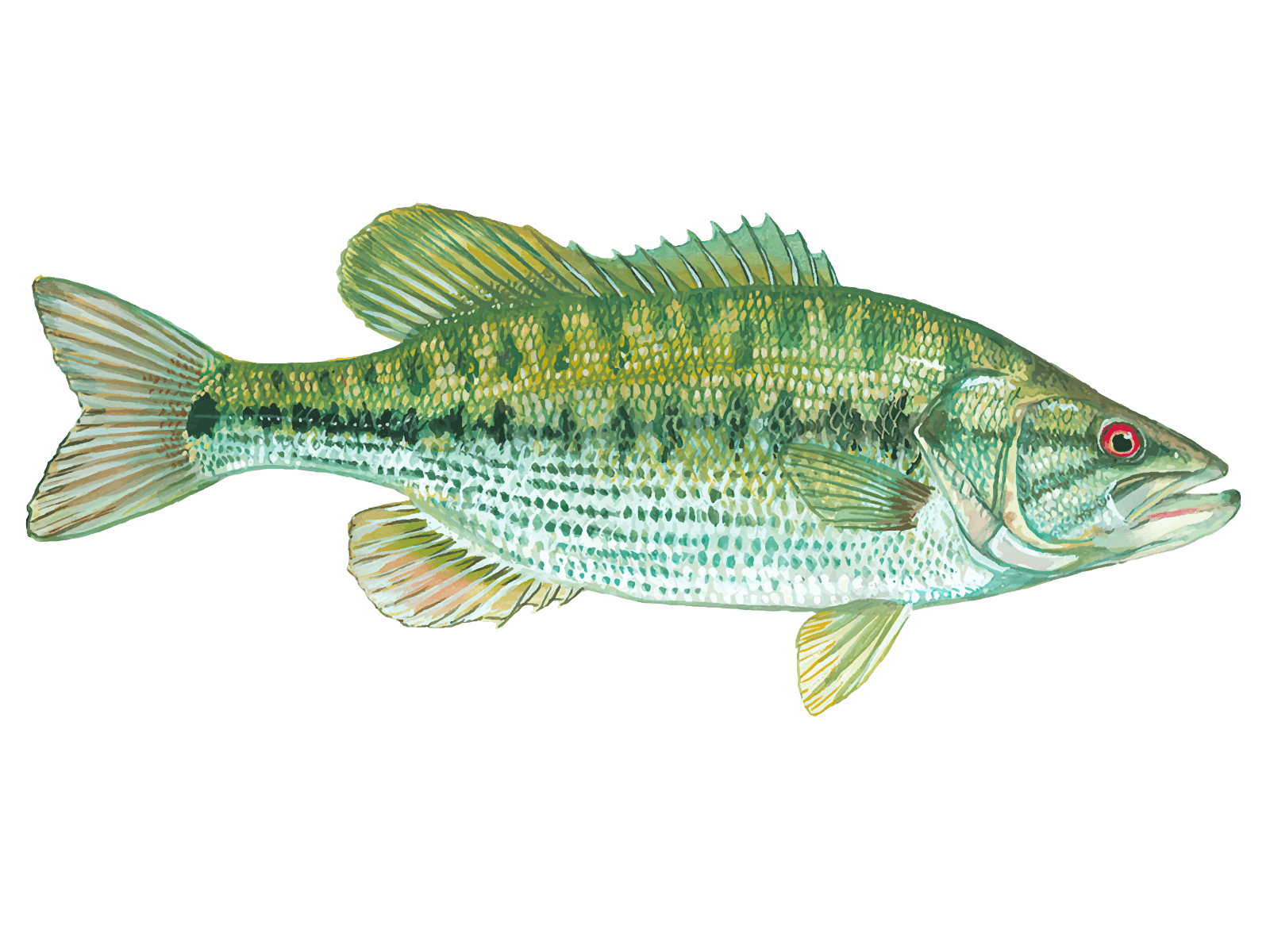
 Spotted Bass
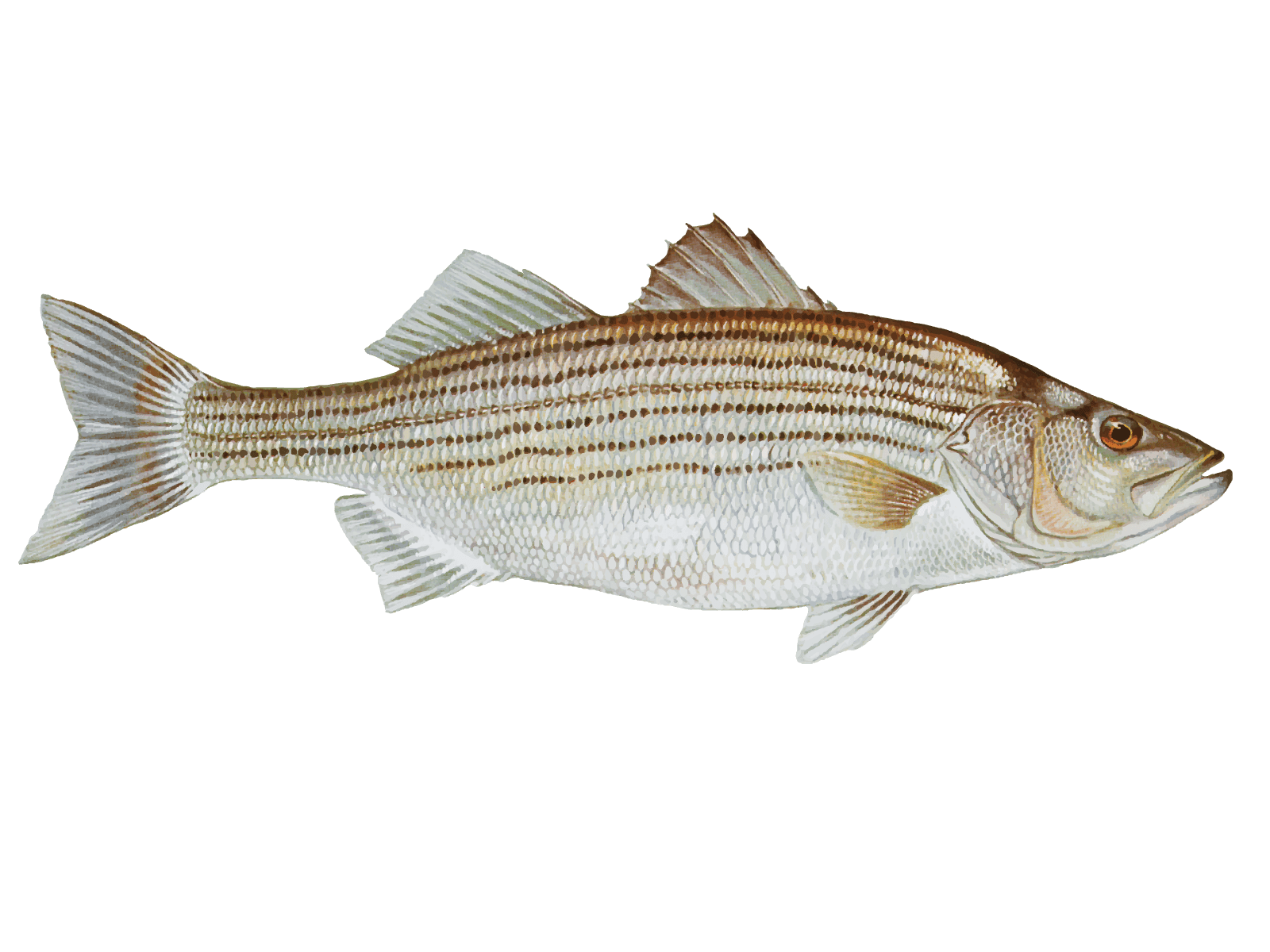
 Striped Bass
- Personalized half-day striper fishing with Captain Brad
- Expert instruction and proven techniques for Lake Lanier
- One-on-one guidance maximizes learning and success rates
Trip Pricing and Availabilities:
Half Day Solo Striper Trip on Lake Lanier
Picture this: just you, Captain Brad, and the open waters of Lake Lanier with one goal in mind – landing some of Georgia's finest striped bass. This half-day fishing adventure is designed for anglers who want personalized attention and serious fish-catching action. No crowds, no distractions, just pure fishing focused on you and what you want to learn. Whether you're looking to sharpen your skills or simply want the undivided attention of a seasoned captain, this single-person trip delivers exactly that. Lake Lanier's crystal-clear waters and abundant fish populations make it the perfect classroom for both beginners and experienced anglers wanting to up their game.
What to Expect on the Water
Captain Brad keeps things simple but effective on these solo trips. You'll launch early to beat the crowds and target fish when they're most active. The beauty of a single-person charter means everything revolves around your pace and interests. Want to spend extra time learning how to read your fish finder? Done. Curious about different lure presentations? Captain Brad will walk you through every technique until you've got it down. The boat is equipped with top-quality gear, so you don't need to worry about bringing anything except your fishing license and enthusiasm. These half-day trips typically run about four hours, giving you plenty of time to work different spots around the lake without feeling rushed. The captain knows Lake Lanier's structure like the back of his hand – from the main lake points to the creek channels where fish love to ambush baitfish. You'll learn not just how to catch fish, but why they're in certain areas and how to find them on your own.
Proven Techniques & Tactics
Lake Lanier stripers respond to a variety of methods, and Captain Brad will match the technique to current conditions and fish behavior. Live bait fishing with herring or blueback shad often produces the biggest fish, especially when targeting deeper structure during warmer months. You'll learn proper bait presentation, how to keep live bait healthy, and when to set the hook for maximum success. Trolling with umbrella rigs and downlines is another proven method, particularly effective for covering water and locating schools of fish. The captain will teach you how to read the electronics, recognize fish signatures, and adjust your trolling speed based on water temperature and fish activity. Casting artificial lures around points and humps can be extremely productive, especially during low-light periods. You'll practice with everything from topwater plugs to deep-diving crankbaits, learning when and where each type works best. The single-person format means you'll get hands-on experience with every technique rather than just watching others fish.
Target Fish You'll Chase
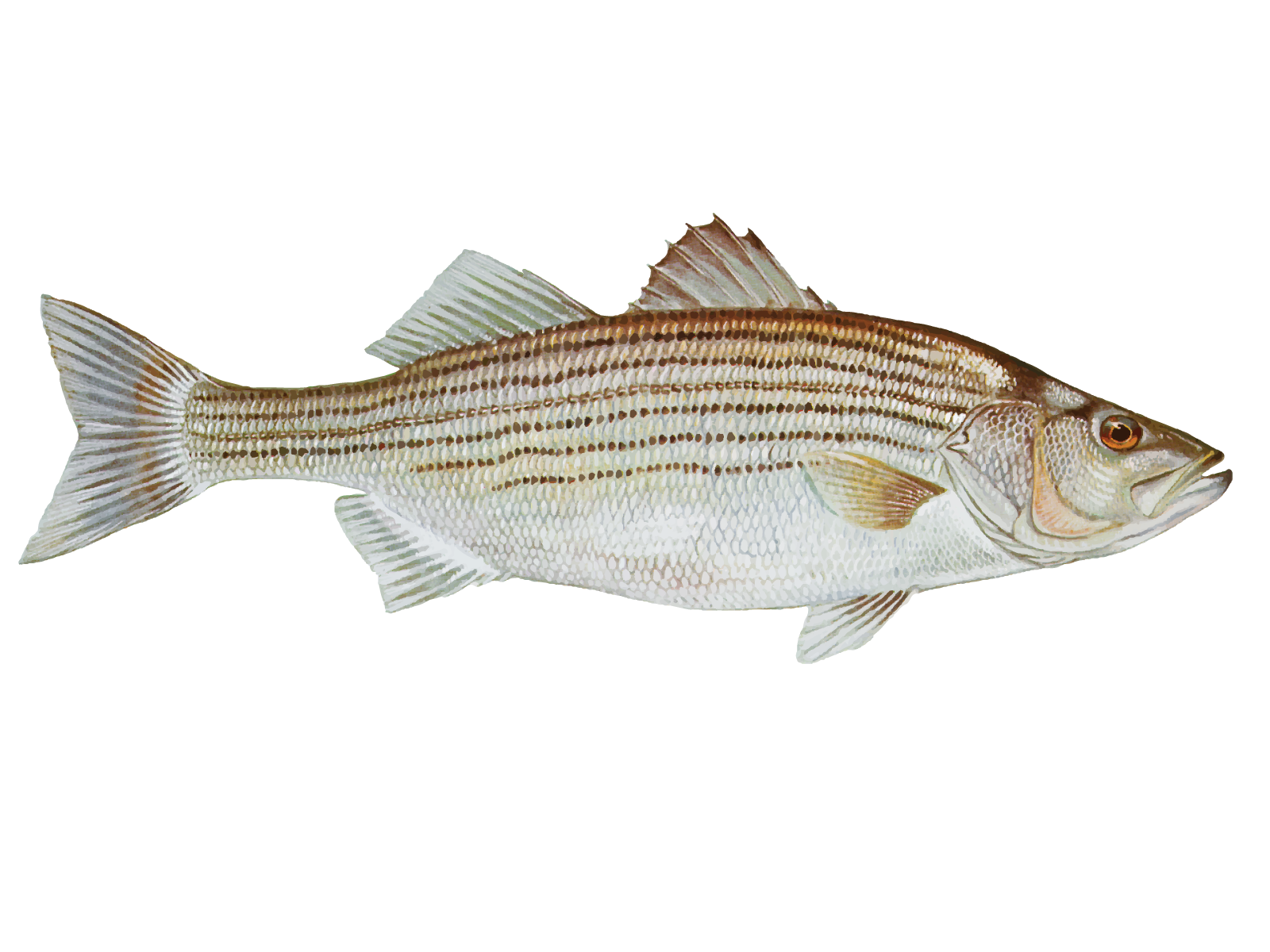
Striped bass are the crown jewel of Lake Lanier and the primary focus of this trip. These silver-sided fighters can range from schoolie-sized fish around 2-3 pounds all the way up to trophy specimens pushing 20 pounds or more. Lanier's stripers are known for their aggressive strikes and powerful runs that'll test your drag system. Spring and fall offer the most consistent action as fish move shallow to feed, but summer fishing can be outstanding when you know how to target them in deeper, cooler water. What makes these fish so special is their unpredictability – one minute you're catching 5-pounders on topwater, the next you're battling a double-digit fish that grabbed your live bait near the bottom.
Spotted bass add another dimension to your Lake Lanier experience and often surprise anglers with their spirited fights. These scrappy fish typically run smaller than stripers, usually in the 1-4 pound range, but they make up for size with attitude. Spots are structure-oriented fish that love rocky points, brush piles, and creek channel edges. They're particularly active during spring spawn when they move shallow and become extremely aggressive. Unlike their largemouth cousins, spotted bass have a more elongated body and distinctive horizontal rows of spots below the lateral line. They're excellent table fare and provide steady action when striper fishing slows down. Captain Brad knows exactly where these fish hang out and will put you on them when conditions are right.
Time to Book Your Spot
A solo striper trip with Captain Brad offers something you can't get on larger group charters – complete focus on your fishing success. You'll leave the dock with new skills, confidence, and hopefully a cooler full of fresh fillets. The personalized instruction and one-on-one guidance make this trip perfect for anyone serious about improving their Lake Lanier fishing game. Early morning and late afternoon slots tend to fill up quickly, especially during peak seasons, so don't wait too long to secure your date. Whether you're a visiting angler wanting to experience Georgia's premier striper fishery or a local looking to learn from one of Lanier's most knowledgeable captains, this half-day adventure delivers real results. Book now and discover why so many anglers consider Lake Lanier stripers some of the best freshwater fishing in the Southeast.
Learn more about the species
Spotted Bass
Spotted bass are scrappy fighters that'll surprise you with their strength. Most run 12-16 inches on Lanier, though bigger ones lurk around the deeper structure. They love rocky points, bluff walls, and creek channels in 15-30 feet of water. Unlike largemouth that jump, spots dive deep and fight like smallmouth - pure determination. Fall through early spring are prime times when they school up and feed aggressively. You can tell them apart from largemouth by their connected dorsal fin and those neat rows of spots along their sides. They taste great too - firm, white meat that's perfect for the dinner table. Here's a local trick: when you find one spot, work the area thoroughly. They school up tight, so where there's one, there's usually a bunch more hanging around the same piece of structure.
Striped Bass
Stripers are the most sought-after fish on Lanier for good reason - they're powerful fighters that can reach 20-40 pounds. These silver rockets with dark horizontal stripes cruise open water and suspend around creek channels, points, and humps in 20-50 feet. Spring and fall are peak seasons when they're actively feeding, but summer early mornings produce well too. They're built for speed and endurance, making long runs that'll test your drag. The meat is outstanding - firm, flaky, and sweet. Stripers are structure-oriented, following baitfish schools around main lake points and creek mouths. They prefer moving water and temperature breaks. My go-to tip: watch your electronics for bait balls suspended mid-water column. When you mark those clouds of shad, the stripers won't be far behind.