Bass Fishing Guide Gainesville Lake Lanier
Spotted Bass Fishing on Lake Lanier - What to Expect
5.0

5 Reviews
- 5
 100%
- 4
 0%
- 30%
- 20%
- 10%

Guided Fishing Trip by Captain Brad Whitehead in August
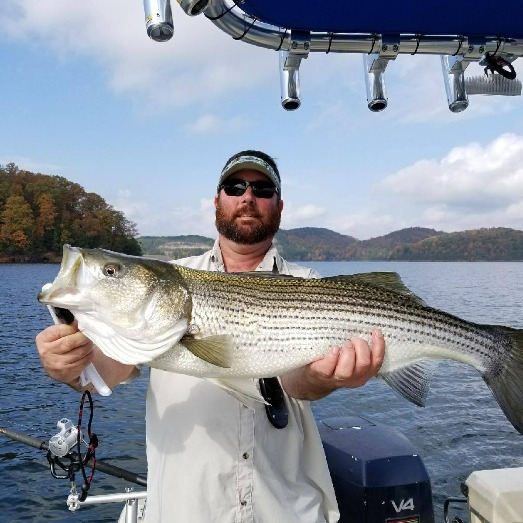
- The Best Lake Lanier Fishing Charters In Georgia!


Summary
This guided fishing trip on Lake Lanier delivered exactly what we hoped for - a half-day adventure chasing spotted bass and striped bass alongside the scenic Chattahoochee and Chestatee Rivers. Thursday in June proved to be the perfect timing, with jigging and trolling techniques producing solid results in these productive Georgia waters. Captain Brad Whitehead's expertise made all the difference, and the five-hour experience struck that sweet balance between active fishing and soaking up the natural beauty of this popular bass destination.
Guided Bass Fishing with Captain Brad Whitehead - Rates & Booking
Captain Brad Whitehead of No Excuses Striper Fishing On Lake Lanier guided us on Thursday, June 26th for an unforgettable half-day on the water. This five-hour guided fishing trip accommodates 2 people as your base group, with the option to add additional anglers for just $50 each, making it flexible for pairs or small groups. The trip includes access to Lake Lanier's prime fishing grounds plus nearby sections of the Chattahoochee and Chestatee Rivers, giving you multiple spots to explore and fish.
What made this experience stand out was the combination of professional guidance and genuine flexibility. Captain Brad brought years of local knowledge to the water, positioning us where the bass were actively feeding. The trip works well for anglers of all skill levels, from beginners just learning casting technique to experienced fishermen refining their approach. Kids 12 and under join free, making this an accessible family activity on beautiful Georgia water. Book online to secure your dates and get ready for a morning or afternoon of solid bass fishing action.
Highlights of Lake Lanier Bass Fishing
The real highlight came when we connected with spotted bass using jigging and trolling techniques in the deeper structure Lake Lanier is known for. These fish hit with authority, and the five-hour window provided ample time to work multiple areas. The lake itself is stunning - clear enough to see the water dynamics and surrounded by Georgia shoreline that makes for a genuinely pleasant outdoor experience beyond just the fishing itself.
What also impressed was how accessible this felt. You're not dealing with long boat rides to distant offshore locations - you're fishing productive water within reach, which means more time actually casting and less time traveling. The combination of jigging vertical structure and trolling along the deeper channels kept things interesting throughout the trip, and we saw consistent action rather than scattered bites.
Local Species Insights - Spotted Bass on Lake Lanier
Spotted bass in Lake Lanier occupy a unique niche compared to their largemouth cousins. These fish prefer deeper water and harder bottom composition - exactly what you find in the river channels and old creek beds that Lake Lanier has in abundance. They're more aggressive feeders than largemouth, often striking reaction baits with confidence, which is why jigging worked so effectively during our trip.
The jigging technique proved particularly effective because spotted bass relate heavily to vertical structure. When you drop a lure straight down along a ledge or drop-off where they're holding, you're presenting the bait in their strike zone immediately. Unlike largemouth that might follow a bait across open water, spotted bass typically commit quickly to what's right in front of them. This makes Lake Lanier ideal for this style of fishing.
What we discovered is that spotted bass follow seasonal depth patterns. In June, they gravitate to deeper channels and ledges to escape warm surface temperatures and find stable conditions. This is where Captain Brad positioned us, and the productivity spoke for itself. The nearby river systems feeding into Lake Lanier create natural highways that these fish use, making certain areas reliably productive once you understand the structure.
Beyond spotted bass, the lake holds striped bass and largemouth, which adds variety to your fishing day. You're not locked into one species - the guides adjust to what's feeding and the conditions you encounter. This diversity keeps the experience engaging and gives you multiple reasons to stay engaged throughout the five-hour window.
Plan Your Lake Lanier Fishing Day
A typical five-hour guided trip works well with either early morning or afternoon timing, depending on your preference. You'll want to arrive with comfortable fishing clothing suitable for being on the water - the lake generates its own breeze even on calm days. Bring sunscreen and water, though Captain Brad's operation likely has specifics on what's provided.
The group size of 2 as your base means you get personalized attention without feeling crowded on the boat. If you're bringing a larger group, the option to add anglers keeps costs reasonable while maintaining good spacing on the vessel. Pack a camera - spotted bass put up a good fight and make for solid photos, especially when you connect with bigger ones.
The timing of your trip matters. June proved productive for us, but Lake Lanier fishes well year-round with seasonal adjustments. Early season (spring) and fall often bring excellent shallow-water action, while summer requires the deeper technique we used. Captain Brad adjusts his approach based on current conditions, so you're always fishing where the bass actually are rather than where they should theoretically be.
Fishing in Lake Lanier: Spotted Bass
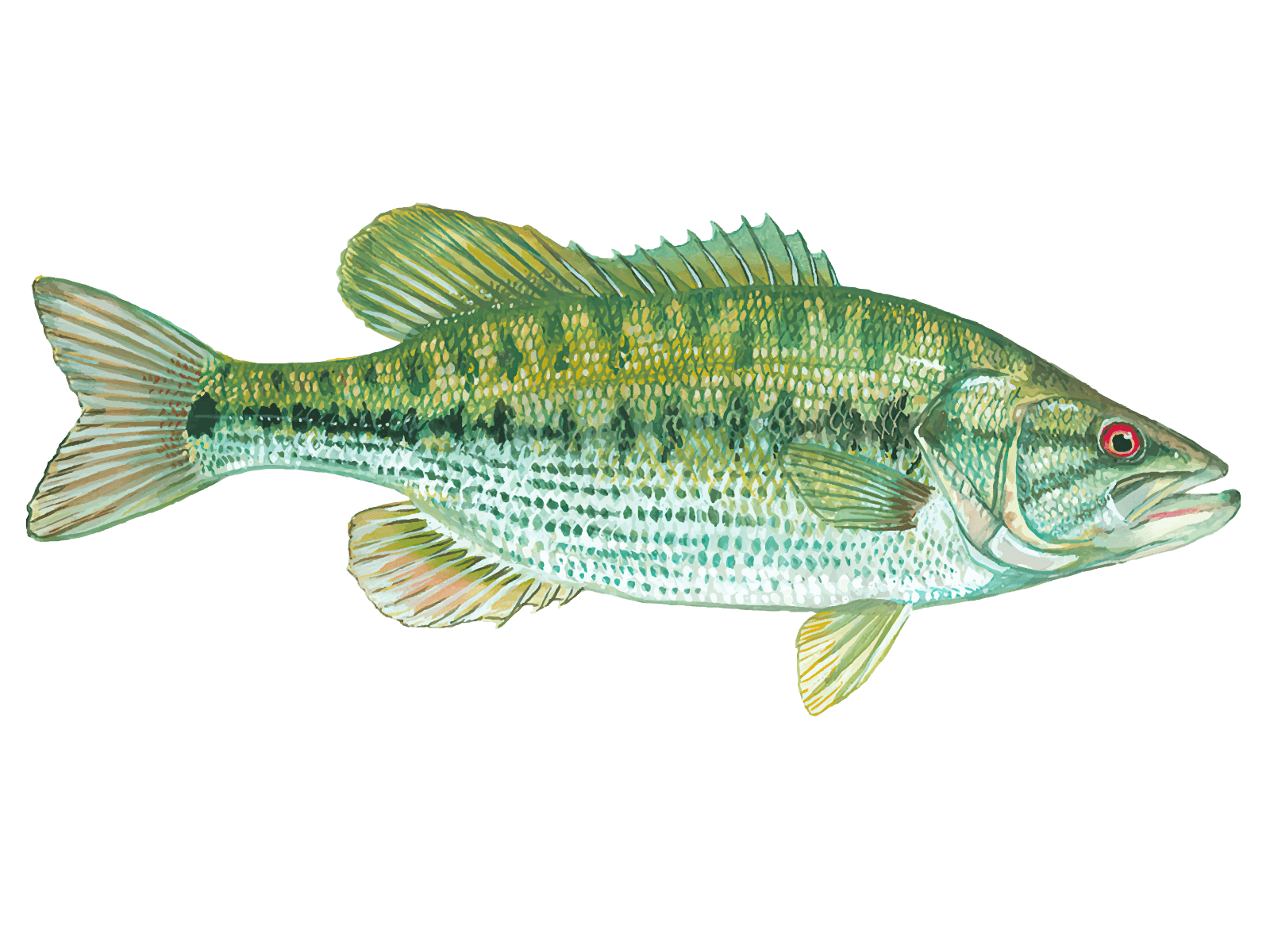
Spotted Bass Overview
The Spotted Bass (Micropterus Punctulatus), belonging to the order Perciformes and family Centrarchidae, is one of North America's most exciting game fish for both seasoned anglers and newcomers alike. Often called the "Spotty" or "Kentucky Bass," this cylinder-shaped fighter is instantly recognizable by the characteristic dark spots arranged in neat rows along its lower body, gradually fading toward the white belly. With a body color ranging from light green to light brown, the Spotted Bass is frequently confused with its larger cousin, the Largemouth Bass, but several key distinguishing features set it apart. What makes this species particularly special is its tendency to school together—a behavior uncommon among other bass species—and its reputation as an exceptional fighter that dives deep rather than leaping, making every catch an adventure. Whether you're fishing in California's New Bullard's Bar Reservoir or exploring rivers throughout the Mississippi and Ohio basins, the Spotted Bass delivers a memorable angling experience.
Spotted Bass Habitat and Distribution
Spotted Bass thrive in slow-moving, clear waters with rock or gravel bottoms, making streams and rivers their preferred environments. Unlike many other bass species, they rarely venture into natural lakes and cannot tolerate brackish water or low oxygen saturation in very cold water. Their geographic range spans the lower and central Mississippi River Basin and the Ohio basin, extending from Florida to Texas, with populations found from the Guadalupe River to the Red River in East Texas. These bass gravitate toward structures—rocks, logs, and submerged features—rather than dense cover, so successful anglers should focus their efforts on rocky outcrops and structural elements throughout their range. The species' preference for cool, clear water with good oxygen content makes them perfect inhabitants of flowing river systems where they can find both food and ideal living conditions.
Spotted Bass Size and Weight
Spotted Bass typically range from 20 to 25 inches in length, with weights varying from 1 to 11 pounds depending on age and environmental factors. While average catches usually fall in the 2-5 pound range, trophy-sized individuals are absolutely within reach for dedicated anglers. The current world record, an impressive 11 pounds and 4 ounces measuring 24.25 inches long, was caught by Nick Dulleck at New Bullard's Bar Reservoir in California, demonstrating that truly exceptional specimens exist in select waters. Younger fish tend to be smaller and lighter, but what they lack in size they make up for in fighting spirit and aggressive behavior, making them perfect targets for anglers of all skill levels.
Spotted Bass Diet and Behavior
Young Spotted Bass typically feed on insects and zooplankton during their early life stages, but as they mature, their diet transitions to a more carnivorous preference centered on crayfish and small fish. These aggressive feeders also consume catfish, minnows, and various aquatic insects, making them opportunistic hunters that will strike at almost any offering that resembles their natural prey. One of the most distinctive behavioral traits of Spotted Bass is their tendency to school together, unlike the more solitary Largemouth Bass. This schooling behavior creates exciting opportunities for anglers who locate one fish, as several more may be nearby. When hooked, Spotted Bass behave more like their Smallmouth cousins, diving deep and fighting hard rather than jumping to the surface like Largemouths. Male Spotted Bass display remarkable parental dedication, guarding eggs for approximately four weeks and continuing to protect fry even after hatching—a fascinating glimpse into their breeding biology.
Spotted Bass Spawning or Seasonal Activity
Spotted Bass reach sexual maturity in their first year, making them prolific reproducers capable of establishing populations relatively quickly. Spawning occurs in spring when water temperatures range from 57 to 74 degrees Fahrenheit, with males and females preferring rock and gravel bottoms for nest construction. After females lay their eggs, males take over parental duties with remarkable dedication, guarding the eggs for approximately four weeks and continuing protective behavior toward the fry after they hatch. This intense parental care is a defining characteristic of the species and contributes to their success in river systems with suitable spawning habitat. Understanding these seasonal movements and spawning preferences can significantly improve an angler's success rates throughout the year.
Spotted Bass Techniques for Observation or Capture
Bait Casting and Spin Casting: The most popular approach for targeting Spotted Bass involves using a light-to-medium spinning rod paired with 6-pound fluorocarbon line. Cast toward rocky structures, submerged logs, and current breaks where these bass love to hide. Effective lures include crankbaits, jerk baits, soft plastic bags, and topwater offerings—essentially anything that would work for Largemouth Bass, given the Spotted Bass's aggressive nature. Early morning and late afternoon sessions produce excellent results, particularly when using topwater lures that create surface disturbance and attract strikes. Around New Bullard's Bar Reservoir in California and similar rocky reservoir systems, focus on steep drop-offs and structure-laden banks where Spotted Bass school together.
Fly Fishing: For fly enthusiasts, Spotted Bass presents an exciting challenge and consistent opportunity. Poppers, streamers, Clouser minnows, and other traditional fly patterns work exceptionally well, and the species' aggressive behavior means it will strike at most presentations with enthusiasm. Fly fishing for Spotted Bass is particularly rewarding because the fish puts up a tough fight, diving deep and making hard runs that test tackle and technique. Wade the shallow structure or fish from a boat in deeper water, varying your retrieves to trigger aggressive feeding responses.
Still Fishing and Drift Fishing: Patience and observation are key for still fishing or drift fishing applications. Position your boat or wade near rocky outcrops and structural elements, then allow live bait or soft plastics to work the productive zones. Drift fishing along current breaks in rivers allows you to cover water methodically and locate schooling fish. These passive techniques work particularly well during peak feeding times and when fish are actively pursuing their preferred prey of crayfish and small minnows.
Spotted Bass Culinary or Utilization Notes
Spotted Bass offers good eating opportunities with white, flaky meat that is mild and palatable when properly prepared. Many anglers consider them excellent table fare, comparable in quality to Largemouth Bass and other freshwater game fish. The meat has good odds for both quality and food value, making catch-and-release versus keep-for-dinner decisions a matter of personal preference and local regulations. Always check regional fishing regulations regarding size and bag limits before planning to keep your catch. When preparing Spotted Bass for the table, filleting and pan-frying with simple seasonings brings out the delicate flavor of the meat. Some anglers practice catch-and-release purely for the sport and conservation, allowing these excellent fighters to be caught and fought again another day.
Spotted Bass Frequently Asked Questions
Q: What is the best bait or lure for catching Spotted Bass?
A: Spotted Bass are aggressive feeders that will strike at most offerings designed for Largemouth Bass. Live crayfish and minnows work excellently, as do crankbaits, jerk baits, soft plastics, and topwater lures. Light-to-medium spinning rods with 6-pound fluorocarbon line offer the best balance of sensitivity and strength. Topwater presentations during early morning and late afternoon produce particularly exciting strikes.
Q: Where can I find Spotted Bass near major fishing destinations?
A: Spotted Bass are distributed throughout the Mississippi and Ohio River basins, ranging from Florida to Texas and into East Texas. New Bullard's Bar Reservoir in California holds the world record specimen. Look for them in streams and rivers with clear water, rock or gravel bottoms, and abundant structure. They prefer slow-moving sections with rocky outcrops rather than dense cover.
Q: How do I distinguish a Spotted Bass from a Largemouth Bass?
A: The most reliable distinction is the dorsal fin: Spotted Bass have a connected dorsal fin, while Largemouths have a separate one. Additional differences include the Spotted Bass's jaw not extending past the eye (Largemouth's does), much smaller cheek scales on Spotted Bass, and distinctive dark spots in rows on the Spotted Bass's belly (Largemouths have plain white bellies). Spotted Bass are also generally smaller than Largemouths.
Q: When is the best time to catch Spotted Bass?
A: Early morning and late afternoon produce the most exciting topwater action, though Spotted Bass feed throughout the day. Spring spawning season (water temps 57-74°F) can be productive, but always follow local fishing regulations. Year-round fishing is possible in suitable waters, with consistent catches available when you target rocky structures and schooling areas.
Q: Why do Spotted Bass fight differently than Largemouth Bass?
A: Spotted Bass dive deep and fight like Smallmouth Bass when hooked, rather than jumping to the surface like Largemouths. This aggressive diving behavior makes them exceptional fighters that test anglers' skills and tackle, which is why experienced anglers consider them such exciting quarry. The hard-fighting nature of this species—even smaller specimens—makes every catch memorable.
Q: Are Spotted Bass good to eat?
A: Yes, Spotted Bass have excellent culinary qualities with good odds for food value. The white, flaky meat is mild and palatable when properly prepared. Many anglers consider them equal to or better than Largemouth Bass for table fare. Pan-frying fillets with simple seasonings brings out the delicate flavor. Always check local regulations for size and bag limits before planning to keep your catch.
More species you can explore on this trip

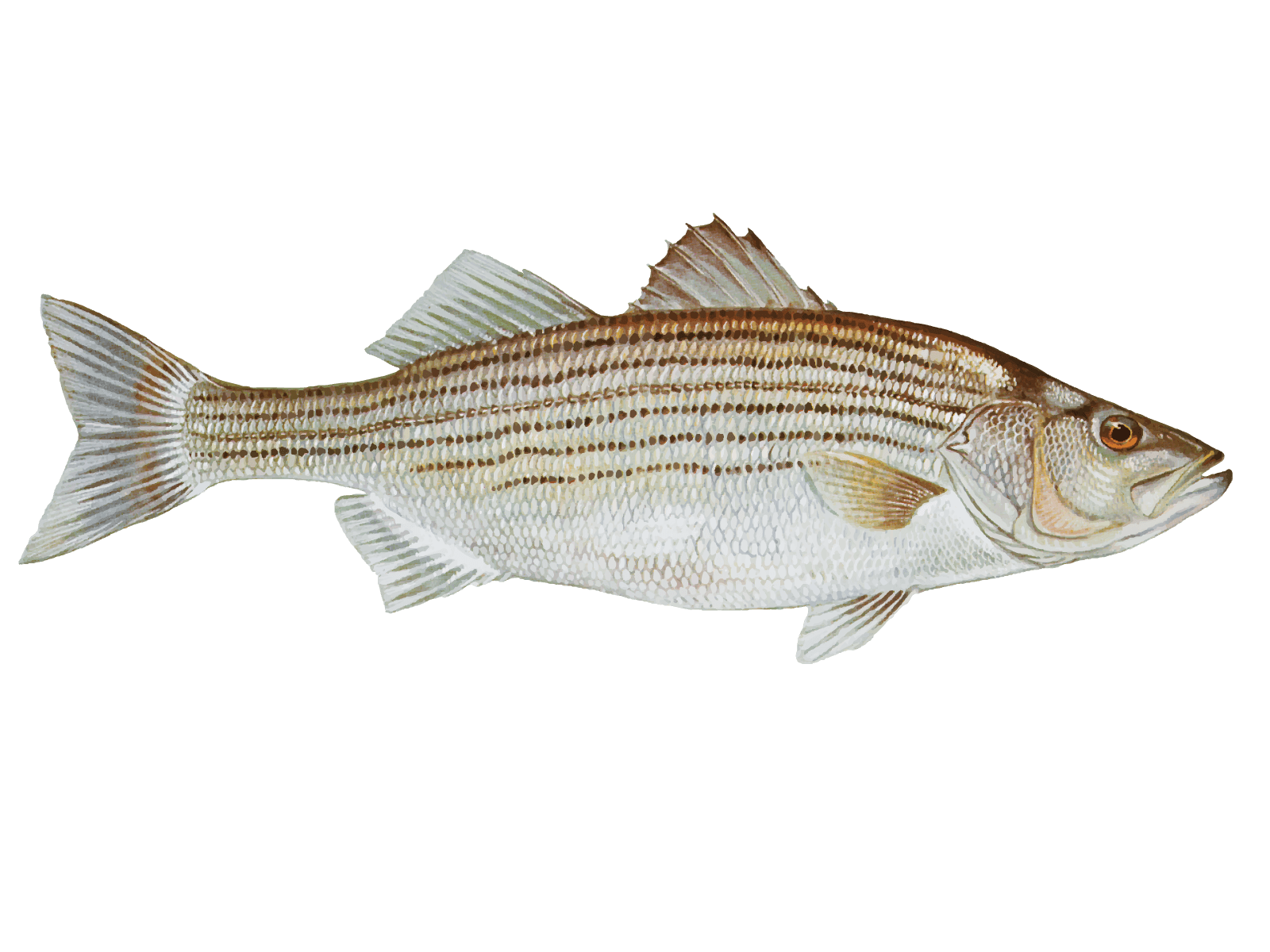
No Excuses Striper Fishing On Lake Lanier Available Trips
Other customer memories from this trip
The boat setup for Lake Lanier bass fishing provides comfortable access to the water without being overly complicated. You get working space for two anglers with room to move around safely, and the layout keeps everything functional - rod holders positioned where you need them, the console set up so Captain Brad maintains good visibility, and gunwales low enough that casting isn't fighting the boat's height. The ride across the lake is smooth enough that you can stay focused on the fishing rather than getting bounced around, and there's adequate seating when you want to take a breather between active fishing periods. It's the kind of practical, no-nonsense setup that priorities actually catching fish over fancy amenities.