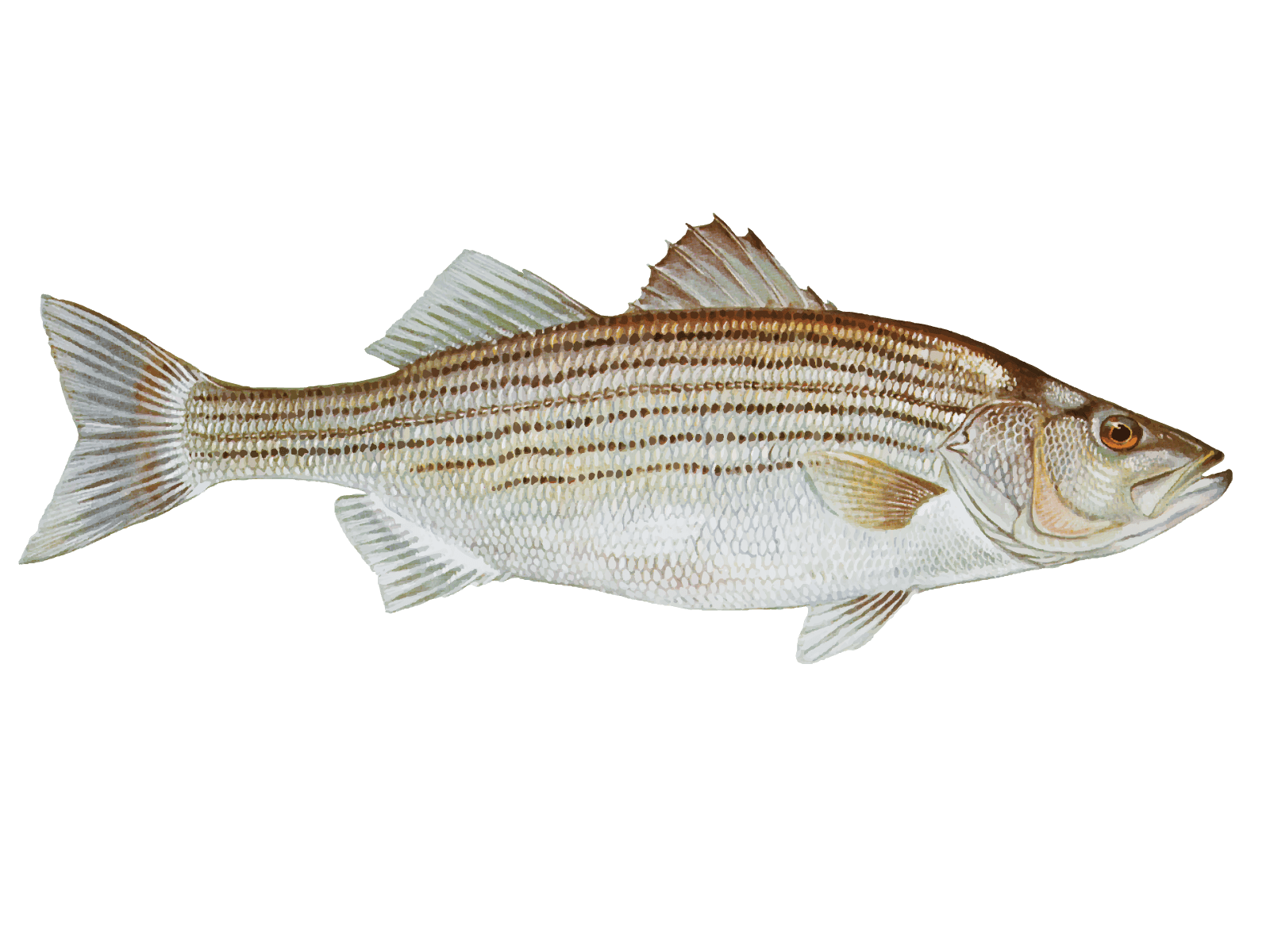
%2Ffit-in%2F250x250%2Fguide_websites%2F6758%2Fimages%2Fnelogo.jpg&w=1920&q=100)
Trophy Largemouth Bass Fishing at Lake Lanier
Largemouth Bass Fishing on Lake Lanier
5.0

5 Reviews
- 5
 100%
100% - 4
 0%
0% - 30%
- 20%
- 10%
%2F%2Fusers%2F3db4296c-5fec-4c08-9688-df0d817c320d%2Fimages%2Flargemouth-bass-vanns-tavern-park-4287.png&w=1920&q=75)
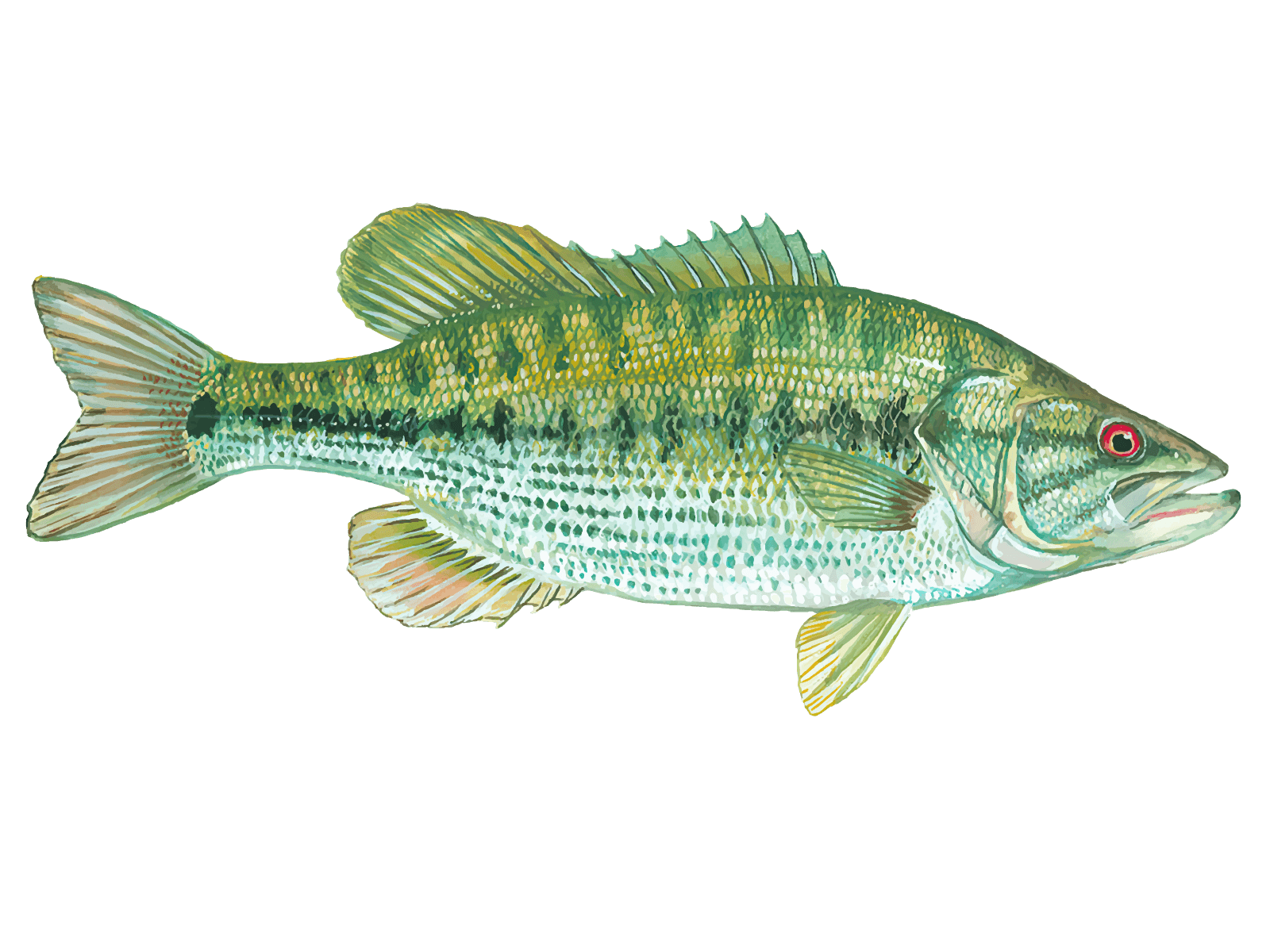
The Micropterus Salmoides belongs to the order Perciformes and family Centrarchidae. It typically measures between 15 and 32 inches in length, with a weight range from 2 to 22 lbs. Habitat: lake, pond, rivers. - Most famous and biggest member of the sunfish family. - Renowned game fish with green or olive-green coloration. - Features dark horizontal markings giving it the nickname black bass.
Guided Fishing Trip by Captain Brad Whitehead in August
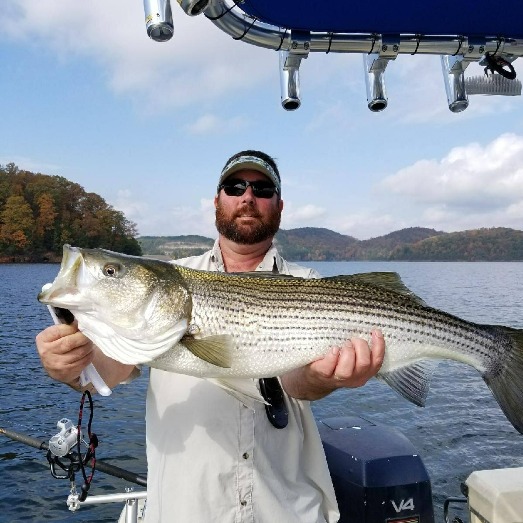
Meet your Captain Brad Whitehead
- The Best Lake Lanier Fishing Charters In Georgia!




Summary
Captain Brad Whitehead of No Excuses Striper Fishing On Lake Lanier on Thursday June offers expert guided fishing trips targeting Largemouth Bass, Spotted Bass, and Striped Bass. Our 5-hour morning trips launch from Vanns Tavern Park in Gainesville, providing prime access to Lake Lanier's productive waters. Using proven techniques like trolling, crankbaiting, and live bait fishing, we consistently put anglers on quality fish. Recent trips have produced impressive catches including 29-inch Largemouth Bass and trophy Stripers. Perfect for families and anglers of all skill levels, our trips include all necessary gear and local expertise. Lake Lanier's clear waters and diverse structure make it Georgia's premier bass fishing destination, with consistent action throughout the season.
Half Day Guided Bass Fishing Trip On Lake Lanier with Captain Brad – Rates & Booking
Captain Brad Whitehead of No Excuses Striper Fishing On Lake Lanier on Thursday June runs 5-hour morning trips starting at 6:00 AM from Vanns Tavern Park. Base trips accommodate two anglers with options to add up to four people total for $50 per additional person. Kids 12 and under fish free with a maximum of two children eligible for the discount rate. All gear, bait, and tackle are provided, so you can focus on landing trophy bass. Our experienced guide knows Lake Lanier's hotspots and adjusts techniques based on current conditions and fish activity.
Highlights of Half Day Guided Bass Fishing Trip On Lake Lanier
Lake Lanier's 38,000 acres offer diverse fishing opportunities with deep channels, rocky points, and submerged timber providing ideal bass habitat. Our recent trips have produced exceptional catches including a 29-inch Largemouth Bass caught while jigging near structure. The lake's population of Largemouth Bass, Spotted Bass, and Striped Bass ensures consistent action throughout the trip. We employ multiple techniques including trolling for active fish, crankbaiting along drop-offs, and live bait fishing around cover.
The early morning start takes advantage of prime feeding times when bass are most active. Lake Lanier's clear waters and varied structure create perfect conditions for sight fishing and pattern recognition. Whether you're targeting shallow spawning areas or deep summer haunts, our local knowledge puts you on productive water quickly.
Local Species Insights: Largemouth Bass
Largemouth Bass thrive in Lake Lanier's diverse habitat, utilizing everything from shallow coves with standing timber to deep main lake points and creek channels. These aggressive predators feed heavily on shad, bluegill, and crawfish, making them responsive to both live bait and artificial lures. During June, bass move between shallow spawning areas and deeper summer structure, creating excellent opportunities for anglers using varied presentations. The lake's consistent water levels and abundant forage base support a healthy population of quality bass, with fish regularly exceeding 20 inches and trophy specimens pushing 30 inches or more.
Plan Your Guided Fishing Trip Day
Our 5-hour trips launch promptly at 6:00 AM from Vanns Tavern Park in Gainesville, taking advantage of cooler morning temperatures and active fish. The boat is equipped with quality rods, reels, tackle, and live bait to handle any fishing situation we encounter. We can accommodate up to four anglers comfortably with plenty of room for casting and fighting fish. Safety equipment including life jackets and first aid supplies are always on board. Bring sunscreen, drinks, and snacks for the trip, and don't forget your Georgia fishing license and camera for those trophy photos.
Fishing in Lake Lanier: Largemouth Bass

Largemouth Bass (Micropterus salmoides) represents the pinnacle of freshwater game fishing, belonging to the order Perciformes and family Centrarchidae. This iconic species features distinctive olive-green coloration with dark horizontal bands along its flanks, earning the nickname "black bass." The species is easily identified by its large mouth that extends past the eye when closed and its slightly forked tail. In Lake Lanier waters this June, anglers consistently encounter quality specimens ranging from schooling fish to trophy-sized individuals.
Largemouth Bass Overview
As the largest member of the sunfish family, Largemouth Bass are apex predators in most freshwater ecosystems. They're highly adaptable fish that thrive in various water conditions, from shallow weedy bays to deep rocky points. Their aggressive nature and powerful fighting ability make them the most sought-after freshwater game fish in North America.
Largemouth Bass Habitat and Distribution
Largemouth Bass prefer warm, shallow waters with abundant cover such as submerged logs, vegetation, and rocky structure. Lake Lanier's diverse habitat provides ideal conditions with its combination of deep channels, shallow coves, and standing timber. They utilize different areas throughout the year, moving from deep winter haunts to shallow spawning areas in spring, then to summer structure along drop-offs and points.
Largemouth Bass Size and Weight
Adult Largemouth Bass typically range from 15 to 32 inches in length and weigh between 2 to 22 pounds. Most fish caught by recreational anglers measure 12 to 18 inches and weigh 1 to 4 pounds, while trophy specimens exceeding 8 pounds are considered exceptional catches that represent years of growth and optimal conditions.
Largemouth Bass Diet and Behavior
These opportunistic predators feed on a diverse diet including shad, bluegill, crawfish, frogs, and insects. They're ambush hunters that rely on cover and structure to surprise prey. Bass are most active during low-light periods at dawn and dusk, though they can be caught throughout the day when conditions are favorable. Their feeding behavior changes seasonally, with aggressive shallow water feeding during spring spawning and deeper structure-oriented feeding during summer months.
Largemouth Bass Spawning Season
Spawning occurs when water temperatures reach 60-65°F, typically from March through May in Georgia waters. Males create circular nests in shallow areas with hard bottoms, often near cover. During this period, bass become highly territorial and aggressive, making them more susceptible to lures and baits presented near spawning areas.
Largemouth Bass Fishing Techniques
Successful bass fishing requires matching techniques to conditions and fish behavior. Topwater lures work well during early morning and evening hours, while crankbaits and spinnerbaits are effective for covering water and locating active schools. Soft plastic baits like worms and jigs excel around structure and during slower bite periods. In June around Gainesville, anglers find success targeting transition areas where shallow spawning flats meet deeper summer structure.
Largemouth Bass Is It Good to Eat?
Largemouth Bass provide excellent table fare when properly prepared, offering firm white meat with a mild, slightly sweet flavor. The flesh is lean and high in protein while being low in mercury compared to many other fish species. Popular cooking methods include grilling, baking, and frying, with smaller fish typically providing better eating quality than large trophy specimens.
Largemouth Bass Frequently Asked Questions
Q: What is the best bait for Largemouth Bass?
A: Live shiners and crawfish are top natural baits, while plastic worms, crankbaits, and spinnerbaits are proven artificial lures. The best choice depends on water conditions, season, and fish activity level.
Q: Where can I find Largemouth Bass near Gainesville?
A: Lake Lanier offers excellent bass fishing with productive areas including shallow coves, main lake points, creek channels, and areas with standing timber or rock structure.
Q: Is Largemouth Bass good to eat?
A: Yes, Largemouth Bass provide excellent eating with firm, white meat that's high in protein and low in mercury. Fish in the 1-3 pound range typically offer the best table quality.
Q: When is the best time to catch Largemouth Bass?
A: Early morning and evening hours are prime times, though bass can be caught throughout the day. Spring and fall typically offer the most consistent action, while summer fishing is best during cooler parts of the day.