Largemouth Bass Fishing on Lake Lanier with Captain Brad
Largemouth Bass Fishing on Lake Lanier - What to Expect
5.0

5 Reviews
- 5
 100%
- 4
 0%
- 30%
- 20%
- 10%

Guided Fishing Trip by Captain Brad Whitehead in August
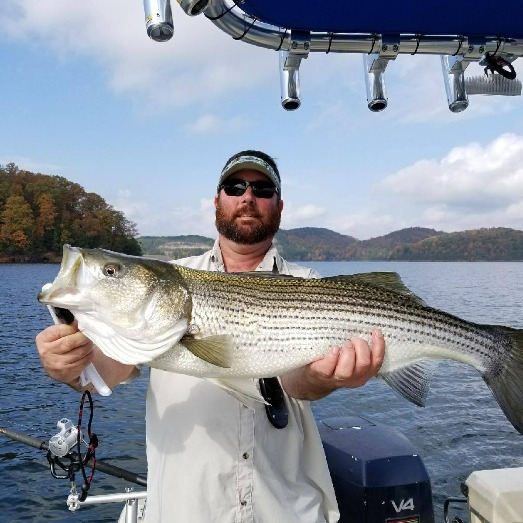
- The Best Lake Lanier Fishing Charters In Georgia!


Summary
Join a guided fishing trip on Lake Lanier this Thursday in June, where largemouth bass strike hard and the action stays non-stop. Captain Brad Whitehead runs tight 5-hour sessions targeting striped bass, spotted bass, and largemouth across Georgia's premier freshwater fishery. Whether you're a seasoned angler or casting for the first time, this lake delivers the thrills.
Guided Bass Fishing with Captain Brad Whitehead - Rates & Booking
Captain Brad Whitehead of No Excuses Striper Fishing On Lake Lanier runs explosive 5-hour guided fishing trips on Thursday, June 26. This outing accommodates 2 guests with the option to add more anglers for just $50 each, making it flexible for fishing buddies or small groups. Kids 12 and under fish free, capping at 2 eligible children per trip, so bring the young anglers along for a family adventure.
The package targets striped bass, spotted bass, and largemouth across Lake Lanier's dynamic waters and the nearby Chattahoochee and Chestatee Rivers. You'll work jigging and trolling techniques in proven bass territory. All skill levels welcome. Book your spot online to lock in your half-day experience with one of Gainesville's trusted fishing guides.
Highlights of 5 Hour Guided Bass Fishing on Lake Lanier with Captain Brad Whitehead
Lake Lanier fires up during summer months, and largemouth bass become aggressive feeders. You'll chase explosive topwater strikes, feel solid jigging hits on structure, and troll through current zones where bass cluster. The nearby river systems add variety and depth to your fishing strategy, giving Captain Brad multiple high-percentage zones to work through the 5-hour window.
The energy stays high because the lake holds thick populations of quality bass. Between casts, soak in the Georgia landscape and feel the rhythm of a fast-paced fishing day. Whether you land one monster or string together multiple hookups, the strike intensity keeps your rod loaded and your adrenaline pumping.
Local Species Insights: Largemouth Bass
Largemouth bass dominate Lake Lanier's ecosystem and respond aggressively to jigging and trolling presentations. These fish hang tight to structure - fallen timber, rocky points, grass beds, and deeper channel transitions. They hunt by ambush, waiting along cover to blast out and crush prey passing nearby. During the day, they shift positions based on light and water temperature, which is why Captain Brad works multiple zones across the lake and rivers.
What makes largemouth bass so exciting is their explosive take. They don't nibble - they hit hard and run immediately. You'll feel the solid connection within milliseconds of a strike. Summer conditions bring largemouth into shallower feeding zones during early morning and late afternoon, though Lake Lanier's depth and structure hold active fish throughout the day. The jigging approach lets you probe vertical targets like drop-offs and submerged structure where largemouth tuck in tight. Trolling covers water efficiently, running baits or lures through productive lanes where roaming bass hunt. Both techniques put you in position for heart-pounding encounters with one of freshwater's most aggressive gamefish.
Lake Lanier's largemouth average solid sizes, with quality fish reaching into the 3-5 pound range regularly. Spotted bass add variety to the action, often feeding alongside largemouth in similar habitat. The mix keeps the casting rhythm fast and the surprise factor high - you never know which species will crush your next presentation.
Plan Your Bass Fishing Day
Your 5-hour guided trip blocks out focused fishing time across Lake Lanier's most productive water. Show up ready to cast - Captain Brad handles navigation and will position the boat to maximize your chances. Bring sunscreen, a hat, and polarized sunglasses to cut glare and spot bass activity. The Georgia sun in June demands hydration, so pack water and snacks. If you're bringing kids, keep them engaged with frequent casting opportunities and explain what Captain Brad is reading about the water and bass behavior.
Two guests fit comfortably on the boat with room to move and cast in multiple directions. The setup prioritizes access to the water and sightlines for spotting strikes. Captain Brad manages tackle changes, offers technique tips, and keeps the boat positioned for success. Whether this is your first time or you've fished a hundred times, the 5-hour window delivers non-stop action on one of Georgia's premier bass destinations.
Fishing in Lake Lanier: Largemouth Bass

Largemouth Bass Overview
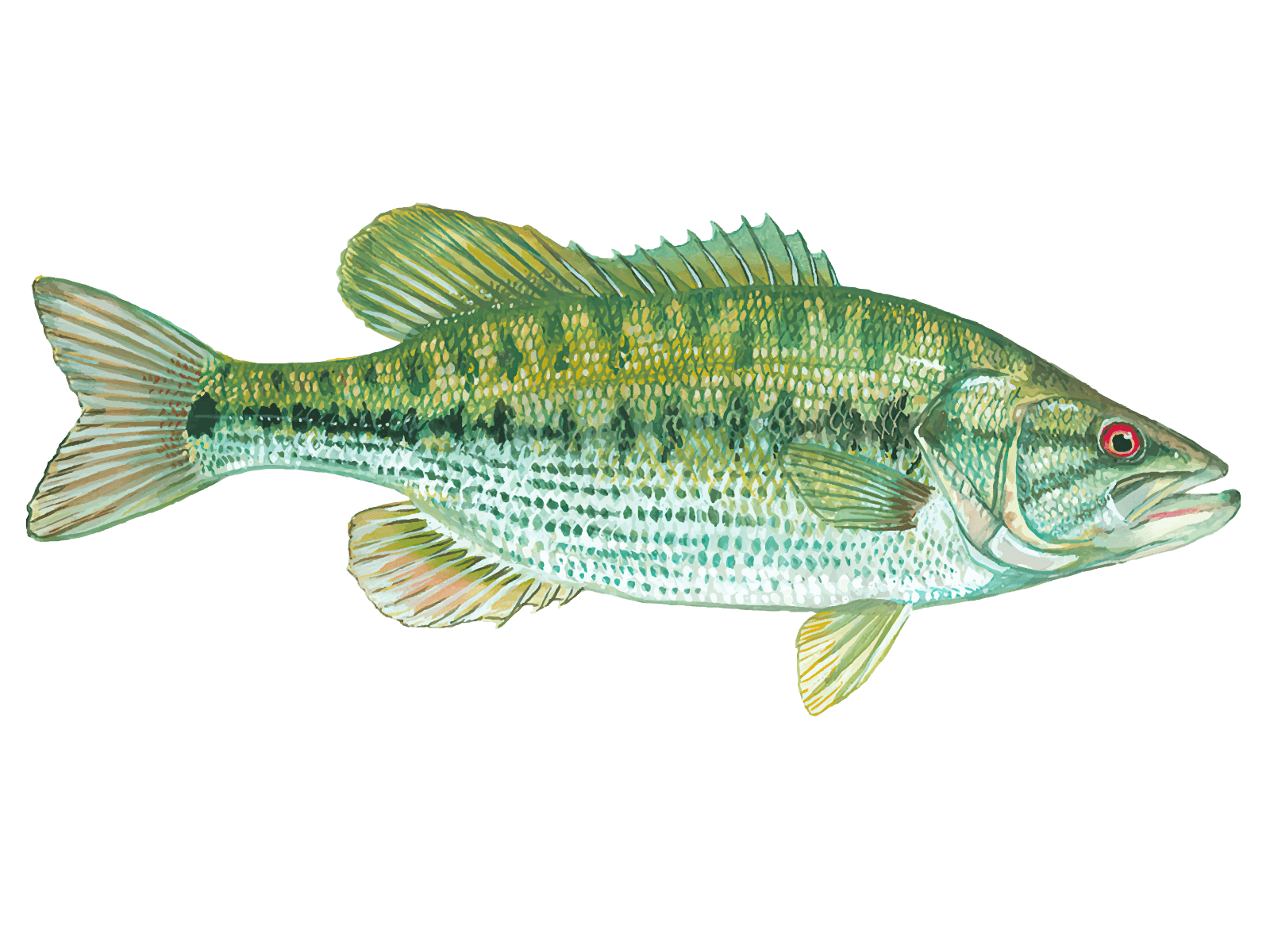
The Largemouth Bass (Micropterus salmoides), belonging to the family Centrarchidae and order Perciformes, stands as the most celebrated game fish in North America. This iconic freshwater species earns its "black bass" nickname from its distinctive olive-green coloring adorned with dark horizontal markings that run along its muscular body. What truly sets the Largemouth Bass apart is its exceptionally large mouth—one that anglers joke could swallow a small duck—with the upper jaw extending well beyond the fish's eyes. Whether you're fishing in a quiet pond near your hometown or tackling a sprawling reservoir, this aggressive predator delivers the kind of thrilling fight that keeps anglers coming back season after season. The species' combination of power, intelligence, and widespread availability makes it the perfect target for everyone from weekend hobbyists to competitive tournament fishermen.
Largemouth Bass Habitat and Distribution
Largemouth Bass thrive in warm, weedy environments where they can ambush unsuspecting prey. They prefer ponds, lakes, and medium-sized water bodies with shallow, muddy bottoms abundant in aquatic vegetation—places where they can hide and hunt effectively. You'll also find them lurking near ditches, creeks, and river systems, though they favor the calmer waters where vegetation provides natural cover. Native exclusively to North America, this species was originally concentrated in eastern and southern states but has since expanded to virtually every state in the Union except Hawaii and Alaska. Due to their popularity as a premier game fish, Largemouth Bass have been intentionally introduced across Europe, Asia, Africa, South America, and Central America. Dense populations now inhabit the warm-water fisheries of the Southeast and Midwest, making regions like Florida, Texas, and California premier destinations for dedicated anglers seeking trophy-class specimens.
Largemouth Bass Size and Weight
An average adult Largemouth Bass typically measures between 15 to 24 inches and weighs anywhere from 2 to 4.5 pounds—respectable catches that provide genuine excitement on the water. However, the species is capable of reaching considerably larger proportions. Maximum documented sizes reach up to 32 inches in length, with the largest specimens on record tipping the scales at over 22 pounds. These trophy-class fish tend to be older and far more experienced than their smaller counterparts, making them considerably harder to catch and infinitely more rewarding when you land one. The sheer size difference between a 3-pound "keeper" and a 20-pound monster dramatically affects the strength of the fight you'll experience, which is why pursuing larger individuals appeals to serious competitive anglers and thrill-seeking weekend fishermen alike.
Largemouth Bass Diet and Behavior
Largemouth Bass are opportunistic predators with an incredibly diverse menu. Their primary diet consists of other fish species including gizzard shad, threadfin shad, golden shiners, bluegills, and catfish—basically any fish small enough to fit into that cavernous mouth. Beyond fin-bearing prey, they're known to consume crayfish, frogs, salamanders, snakes, mice, bats, and virtually any small creature unfortunate enough to swim or crawl nearby. This aggressive feeding behavior stems from their highly evolved sensory systems: they detect prey vibrations through their lateral line (essentially a sixth sense) and possess an exceptionally keen sense of smell. Largemouth Bass are most active during low-light conditions—early morning, late evening, and overcast days—when they venture into shallower water to hunt. They're attracted to red coloring, which is why red-colored lures prove so effective. These fish don't spook easily, displaying remarkable boldness when stalking meals, and they'll aggressively strike offerings that trigger their predatory instincts.
Largemouth Bass Spawning and Seasonal Activity
When Largemouth Bass reach maturity, they follow a predictable spawning cycle that typically occurs from late winter through late spring, with optimal egg-laying temperatures hovering around a steady 60°F or higher. During spawning season, males become especially aggressive and territorial, preparing spawning beds in shallow areas with minimal vegetation or muddy bottoms. After mating, the male assumes sole responsibility for guarding the eggs—a rare display of parental dedication in the fish world. Once the eggs hatch, the fry remain in a tight school beneath their father's protective watch for approximately 3 to 4 weeks before dispersing to find independent hunting grounds. This seasonal behavior creates predictable angling opportunities: pre-spawn periods often produce aggressive feeding as fish prepare for reproduction, spawn periods focus on territorial strikes from protective males, and post-spawn periods see fish recovering in deeper water before gradually returning to shallower feeding zones.
Largemouth Bass Techniques for Observation and Capture
Swim-Bait Method: This approach ranks among the most successful techniques for Largemouth Bass. Both hard varieties (crafted from wood or plastic with integrated hooks) and soft varieties effectively mimic natural forage fish. Cast swim-baits near structure like sunken logs, thick weeds, under bridges, and along shorelines where bass lie in wait. Let the bait move naturally through the water column, and be prepared for explosive strikes. This method works year-round but shines during spring and fall when bass actively feed on baitfish schools.
Dragging Technique: Primarily employed over hard bottoms and non-vegetated areas, dragging utilizes plastic baits rigged with a Carolina rig setup. This slow, methodical presentation allows the lure to bounce along the bottom, creating vibrations and commotion that trigger strikes from bass holding in deeper water. It's particularly effective during summer when fish retreat to cooler depths and proves invaluable for targeting suspended fish over open water expanses.
Wacky Rigging in Shallow Cover: In shallow water and grass-rich areas, wacky fishing with straight worms and a variety of hook styles produces consistent results. Hook the worm through its middle for an erratic, flutter-fall action that bass find irresistible. This technique excels during spring and early summer when vegetation is thick and bass actively patrol shallow hunting grounds. Around major fishing destinations, this method often outproduces other presentations in weedy lakes and ponds.
Additional effective lures include jigs, crankbaits, jerk baits, hoppers, minnows, and plugs. Live bait such as worms and minnows remain reliable classics. For fly fishing enthusiasts, match your rod weight to your target: a 6-weight handles most bass, but opt for an 8-weight when pursuing trophy fish in large lakes and rivers. Use colorful, shiny streamers and poppers that mimic frogs—a dietary staple—especially in murky water where visibility is limited. Weighted flies prove essential for late-summer deep-water fishing when bass retreat to cooler zones.
Largemouth Bass Culinary and Utilization Notes
Yes, Largemouth Bass are good to eat—but with important caveats regarding water quality and preparation. While it's safe to consume this species, the flavor and safety depend heavily on the cleanliness of the water from which it was caught. Fish from clean, clear bodies of water taste significantly better and pose fewer contaminant concerns than those from murky or polluted waters. When handling caught bass for culinary purposes, proper cleaning and storage are essential. Keep the fish on ice immediately after capture, clean it thoroughly, and store it at proper temperatures. Cook with complementary seasonings and techniques—baking, grilling, or pan-frying all work well—to ensure the meat remains firm and delicious. Many fishing enthusiasts enjoy the culinary experimentation aspect of their catch, and when prepared with care, Largemouth Bass delivers a satisfying meal that connects the angler directly to their outdoor experience.
Largemouth Bass Frequently Asked Questions
Q: What is the best bait for catching Largemouth Bass?
A: There's no single "best" bait—success depends on season, water conditions, and location. Swim-baits excel year-round and mimic natural forage effectively. Live shiners and minnows work wonderfully in vegetated areas. Frogs prove deadly in shallow, weedy zones, especially during warm months. Red-colored lures and poppers are particularly effective since this species exhibits a documented attraction to red. Experiment with different presentations to match current conditions.
Q: Where can I find Largemouth Bass near popular fishing destinations?
A: This species inhabits every major freshwater system across North America except in Hawaii and Alaska. Search for them in lakes, ponds, and rivers with warm water and abundant vegetation. Look for shallow, muddy bottoms with weed beds, submerged trees, fallen logs, bridge pilings, and rocky outcroppings where they hide and ambush prey. In larger reservoirs, transition zones between shallow feeding areas and deeper structure hold concentrations of fish during different times of day.
Q: When is the best time to catch Largemouth Bass?
A: Early morning and late evening consistently produce the most aggressive feeding, particularly during spring and fall. Overcast days outperform sunny days since low-light conditions trigger increased activity. Spawning season (late winter through late spring) offers exceptional opportunities, as pre-spawn fish feed aggressively to build energy reserves. Summer presents challenges as heat drives fish to deeper, cooler water, but night fishing and early-morning sessions remain productive. Winter fishing is possible but slower as metabolism and activity levels decrease.
Q: What's the difference between Largemouth Bass and Spotted Bass?
A: Spotted Bass possess a noticeably smaller mouth than Largemouth Bass, making them better suited for consuming smaller prey like crustaceans and insects. Spotted Bass tend toward more aggressive pursuit behavior, actively chasing prey rather than ambushing. Largemouth Bass prefer larger prey like frogs and small fish, employing an ambush strategy from cover. Habitat preferences also diverge: Spotted Bass thrive in clearer water with rocky bottoms, while Largemouth Bass favor murky, vegetation-rich environments. These differences affect fishing technique selection and location scouting.
Q: Is Largemouth Bass a good species for beginner anglers?
A: Absolutely—Largemouth Bass rank among the best choices for beginning anglers. They're abundant, widespread, widely stocked in managed fisheries, and they don't spook easily, offering multiple opportunities for mistakes and still landing fish. Their aggressive feeding behavior and willingness to strike various lure presentations makes them forgiving of imperfect technique. The species provides excellent educational value as you learn to read water, understand seasonal patterns, and develop fundamental angling skills while enjoying consistent success and thrilling fights.
Q: How deep do Largemouth Bass go during different seasons?
A: Depth preference follows seasonal temperature patterns. In spring, bass occupy shallow areas (2-8 feet) with vegetation for spawning and feeding. Summer heat drives them to deeper refuge (15-25 feet or deeper) during midday, though they return to shallows during low-light periods. Fall cooling prompts mid-depth movement (8-15 feet) as fish actively feed throughout the water column. Winter sees bass in their deepest positions (20+ feet) with reduced movement and feeding activity. Understanding these patterns allows strategic location selection throughout the year.
More species you can explore on this trip
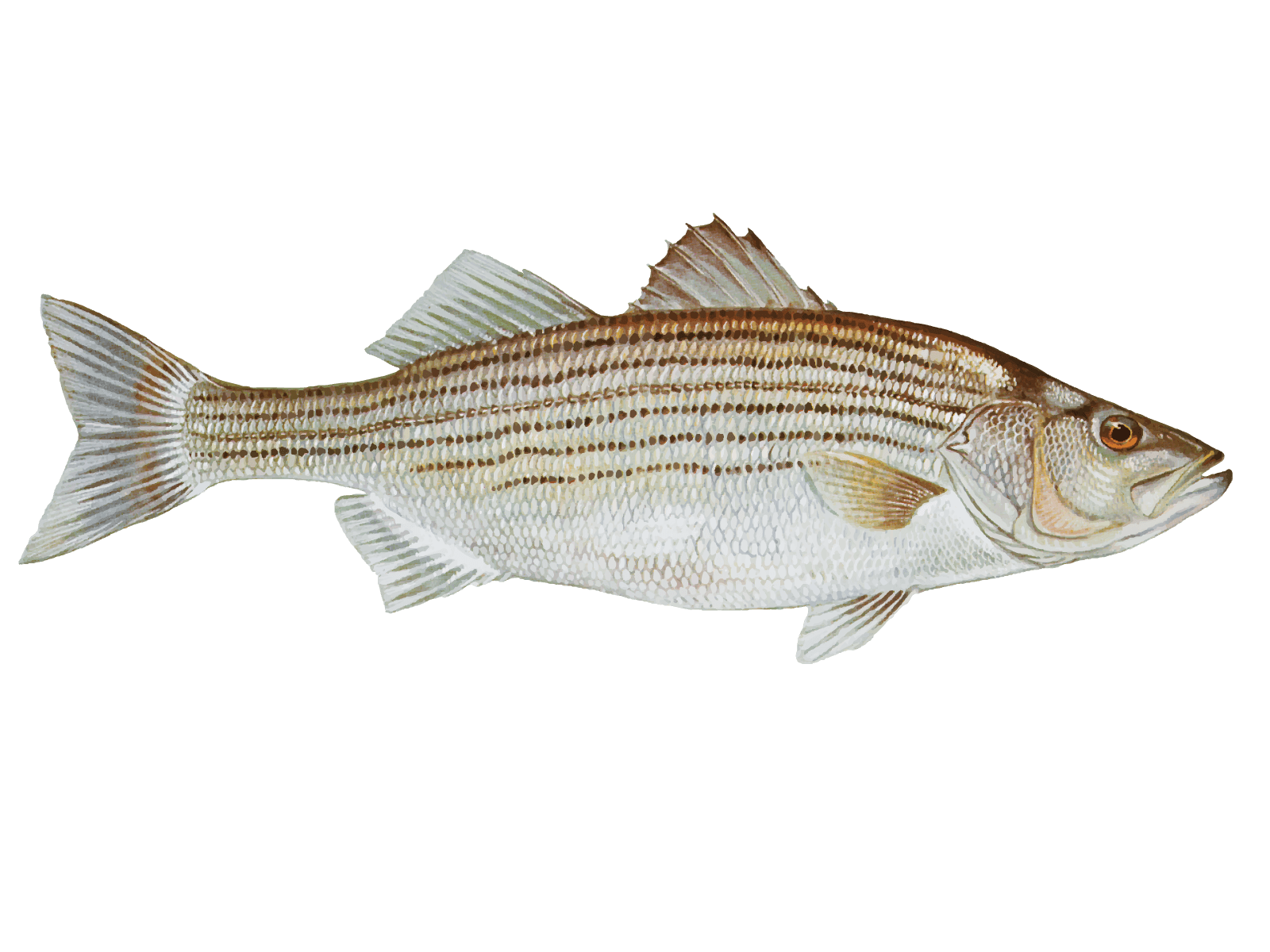
No Excuses Striper Fishing On Lake Lanier Available Trips
Other customer memories from this trip
Hop aboard Captain Brad's boat and you'll notice the layout prioritizes casting freedom and access. You get room to move around the deck without bumping elbows, which matters when two anglers are working different angles. The boat sits low enough to the water that you can see bass breaks and structure clearly, spotting the subtle rises and disturbances that signal feeding fish. Rod holders keep tackle organized and ready between casts, and the seating positions let you shift weight and angle for different presentations. The setup feels purpose-built for bass fishing - no wasted space, everything aimed at getting you tight to the action. You'll notice the attention to detail: good visibility in all directions, easy movement from bow to stern, and a comfortable seat that lets you stay engaged for the full 5 hours without fatigue wearing you down. It's the kind of boat that gets out of your way and lets the fishing be the star.