%2Ffit-in%2F250x250%2Fguide_websites%2F6758%2Fimages%2Fnelogo.jpg&w=1920&q=100)
Striped Bass Fishing Guide on Lake Lanier
Striped Bass Fishing in Lake Lanier
5.0

5 Reviews
- 5
 100%
100% - 4
 0%
0% - 30%
- 20%
- 10%
%2F%2Fusers%2F3db4296c-5fec-4c08-9688-df0d817c320d%2Fimages%2Fstriped-bass-fishing-adventure-gainesville-8208.png&w=1920&q=75)
The Morone Saxatilis belongs to the order Perciformes and family Moronidae. It typically measures between 20 and 55 inches in length, with a weight range from 10 to 81 lbs. Habitat: river, lake, onshore, near shore. - Popular game fish for recreational and commercial fishers. - Also known as Atlantic Striped Bass, Stripers, or Linesider. - Distinguished by seven to eight stripes running down the sides of its body.
Guided Fishing Trip by Captain Brad Whitehead in December
- The Best Lake Lanier Fishing Charters In Georgia!



Summary
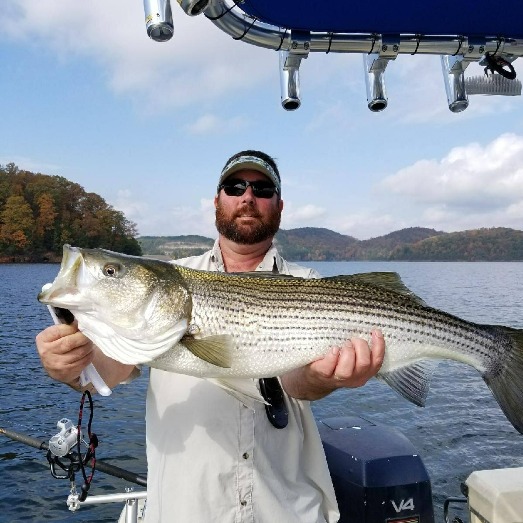
Captain Brad Whitehead of No Excuses Striper Fishing On Lake Lanier on Saturday November offers an exceptional 5-hour guided fishing trip targeting striped bass in Georgia's premier fishing destination. Lake Lanier's diverse structure and depth changes create ideal conditions for trolling main channels, casting to structure, and jigging deeper drops where stripers consistently hold. Our half-day charter accommodates 2 anglers with options to add additional guests, providing the perfect opportunity for families and fishing enthusiasts to experience world-class striper action. With clear water conditions and proven techniques, anglers can expect productive fishing throughout fall and winter seasons when Lake Lanier stripers remain active and cooperative.
Guided Fishing Trip with Captain Brad – Rates & Booking
Captain Brad Whitehead of No Excuses Striper Fishing On Lake Lanier on Saturday November provides a comprehensive 5-hour guided fishing experience for $400 covering 2 anglers, with additional guests welcome for $50 each. Our licensed guide brings top-notch equipment and local expertise to maximize your time on the water. Kids 12 and under fish free with a maximum of 2 children eligible for the discount rate. All tackle, bait, and safety equipment are included in your charter rate. Book online or call to reserve your Lake Lanier striper adventure and experience the consistent action that keeps anglers returning season after season.
Highlights of Half Day Guided Bass Fishing Trip On Lake Lanier
This 5-hour charter targets Lake Lanier's abundant striped bass population using proven techniques including trolling, casting, and jigging. Captain Brad's approach adapts to daily conditions, working main lake channels, structure points, and deeper drops where stripers congregate. The trip launches at sunrise to capitalize on prime feeding times when stripers are most active. Lake Lanier's clear water and varied structure provide excellent opportunities for multiple fishing methods on a single outing.
Our experienced guide focuses on putting fish in the boat while teaching effective techniques for future success. The charter accommodates anglers of all skill levels, making it perfect for families, beginners, and experienced fishermen alike. With consistent striper populations and year-round fishing opportunities, Lake Lanier delivers reliable action through fall and winter months when many other fisheries slow down.
Local Species Insights: Striped Bass
Striped bass in Lake Lanier exhibit classic behavior patterns that make them predictable targets for knowledgeable guides. These fish utilize the lake's main channels during cooler months, moving to deeper structure and drop-offs where they ambush schools of threadfin shad. Captain Brad's intimate knowledge of Lake Lanier's underwater topography allows him to position anglers over productive water consistently. The combination of trolling for covering water, casting to visible structure, and jigging specific depths creates multiple opportunities throughout each trip. November conditions on Lake Lanier typically produce excellent striper fishing as cooling water temperatures trigger increased feeding activity before winter.
Plan Your Fishing Charter Day
Your Lake Lanier fishing adventure begins with a sunrise launch from one of the lake's convenient boat ramps. Captain Brad provides all necessary fishing equipment including rods, reels, tackle, and bait specifically selected for Lake Lanier stripers. The boat accommodates up to 4 anglers comfortably with additional safety equipment and fish storage. Dress in layers for early morning temperatures and bring sunglasses, sunscreen, and a camera to capture your catches. The 5-hour duration allows ample time to work multiple fishing spots and techniques while enjoying the scenic beauty of North Georgia's premier fishing destination.
Fishing in Lake Lanier: Striped Bass
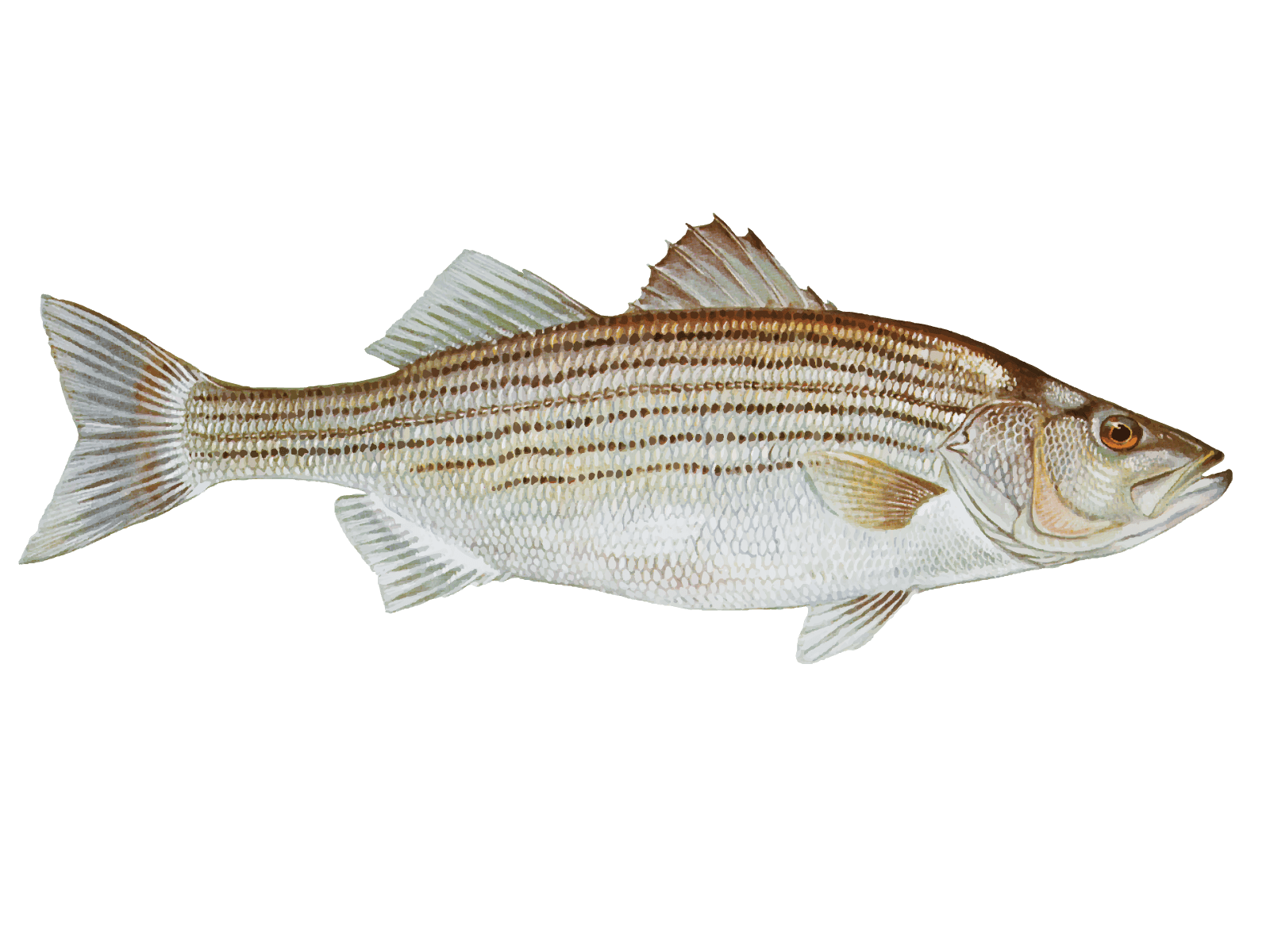
The Striped Bass (Morone saxatilis), commonly known as stripers or linesiders, belongs to the order Perciformes and family Moronidae. These distinctive fish are easily recognized by their seven to eight horizontal black stripes running along their silver sides, with colors ranging from light green and olive to brown and black. In Lake Lanier waters this November, striped bass remain active and provide excellent fishing opportunities for anglers targeting Georgia's premier inland fishery.
Striped Bass Overview
Striped bass are highly prized game fish that combine impressive size potential with aggressive fighting ability. Originally an anadromous species from the Atlantic coast, landlocked populations like those in Lake Lanier have adapted perfectly to freshwater environments. These fish can reach lengths of 55 inches and weights exceeding 80 pounds, though most Lake Lanier stripers range from 15 to 30 inches and 3 to 15 pounds.
Striped Bass Habitat and Distribution
In Lake Lanier, striped bass prefer deeper main lake areas with good oxygen levels and abundant baitfish populations. They utilize underwater structure including submerged roadbeds, creek channels, and drop-offs where they can ambush schools of threadfin shad and blueback herring. During cooler months, these fish concentrate in deeper water near the dam and main river channels.
Striped Bass Size and Weight
Lake Lanier striped bass typically range from 20 to 55 inches in length, with weights spanning 10 to 81 pounds for trophy specimens. Most fish caught by recreational anglers measure 18 to 28 inches and weigh between 3 and 12 pounds, providing excellent table fare and sporting action on appropriate tackle.
Striped Bass Diet and Behavior
These voracious predators feed primarily on threadfin shad, blueback herring, and other small fish species. Stripers are most active during low-light periods including dawn, dusk, and overcast conditions. They often feed in schools, creating excellent opportunities for multiple hookups when located. Their feeding behavior includes both surface activity and deep water ambush tactics.
Striped Bass Spawning Season
In Lake Lanier, striped bass attempt to spawn in tributary rivers and creeks during spring months when water temperatures reach 55 to 65 degrees. While natural reproduction is limited in the lake system, Georgia Department of Natural Resources maintains the population through regular stocking programs that ensure consistent fishing opportunities.
Striped Bass Fishing Techniques
Effective Lake Lanier striper techniques include trolling with umbrella rigs and large spoons, casting swimbaits and topwater lures to structure, and vertical jigging with heavy spoons and bucktails. Live bait fishing with large shiners produces excellent results, especially during winter months. In November, anglers around Gainesville find success working main lake points and creek mouths where stripers stage before moving to deeper winter haunts.
Striped Bass Is It Good to Eat?
Striped bass offer excellent table fare with firm, white meat and mild flavor that adapts well to various cooking methods. The flesh is lean and flaky when cooked, making it perfect for grilling, baking, or frying. These fish provide high-quality protein and beneficial omega-3 fatty acids while maintaining relatively low mercury levels compared to many saltwater species.
Striped Bass Frequently Asked Questions
Q: What is the best bait for striped bass?
A: Live threadfin shad and large shiners are top choices, along with umbrella rigs, large spoons, and swimbaits that mimic the baitfish stripers feed on naturally.
Q: Where can I find striped bass near Gainesville?
A: Focus on main lake areas, submerged creek channels, and deeper points around the Chattahoochee and Chestatee River arms where baitfish concentrate.
Q: Is striped bass good to eat?
A: Yes, striped bass provide excellent table fare with firm, white meat that's versatile for grilling, baking, or frying with a mild, pleasant flavor.
Q: When is the best time to catch striped bass?
A: Early morning and late evening produce the best action, with fall and winter months offering consistent fishing as stripers feed heavily before cold weather.